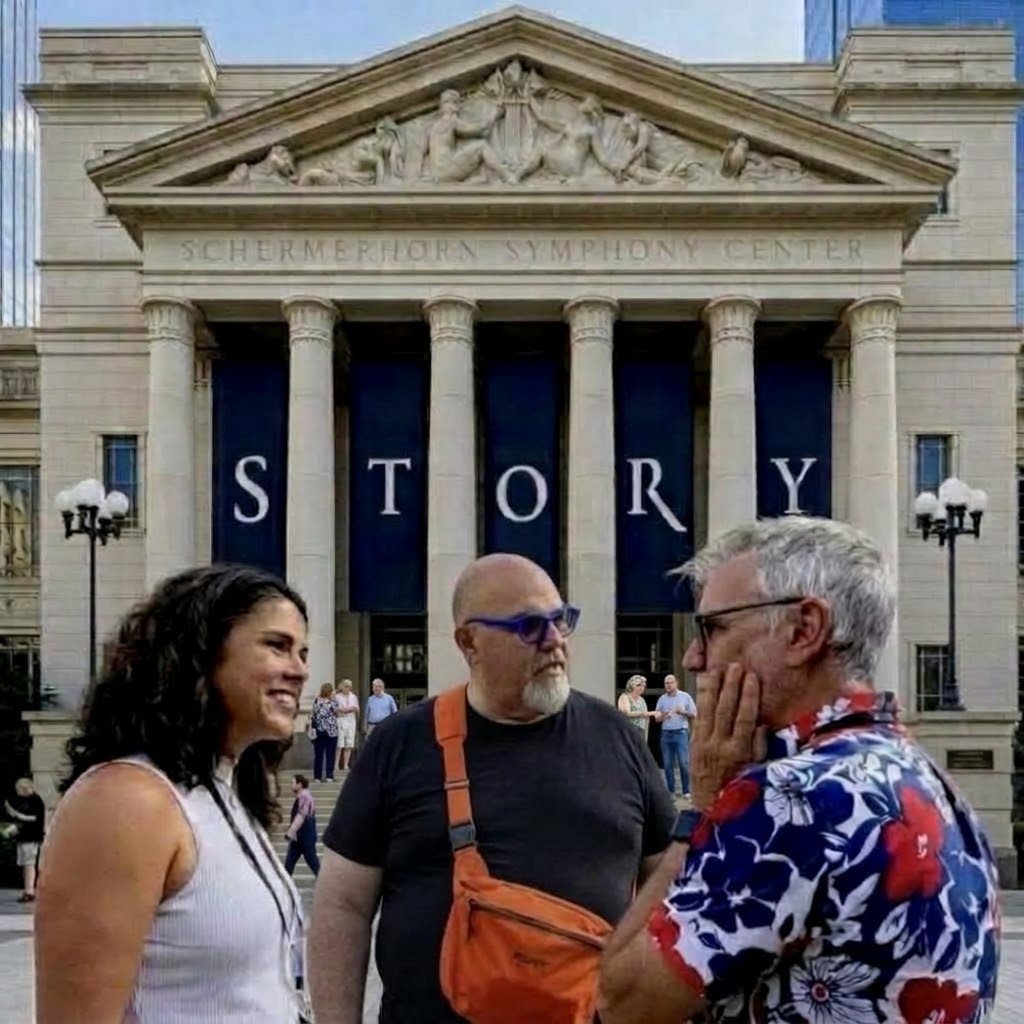
When my friend MaxPaul sent me a link to STORY 26, he suggested we go next year. I asked, “Why not this year?” At 81, fresh from a museum opening in Los Angeles, he rebooked his flight on the spot. What followed was two days in Nashville that ranked among the most impactful conferences I’ve attended. I learned from Ariel about imperfection and from a Lion King performer about the hidden work behind every performance. And I found a room full of people I can only call my tribe.
[080] The Quiet Ones
Max J Miller
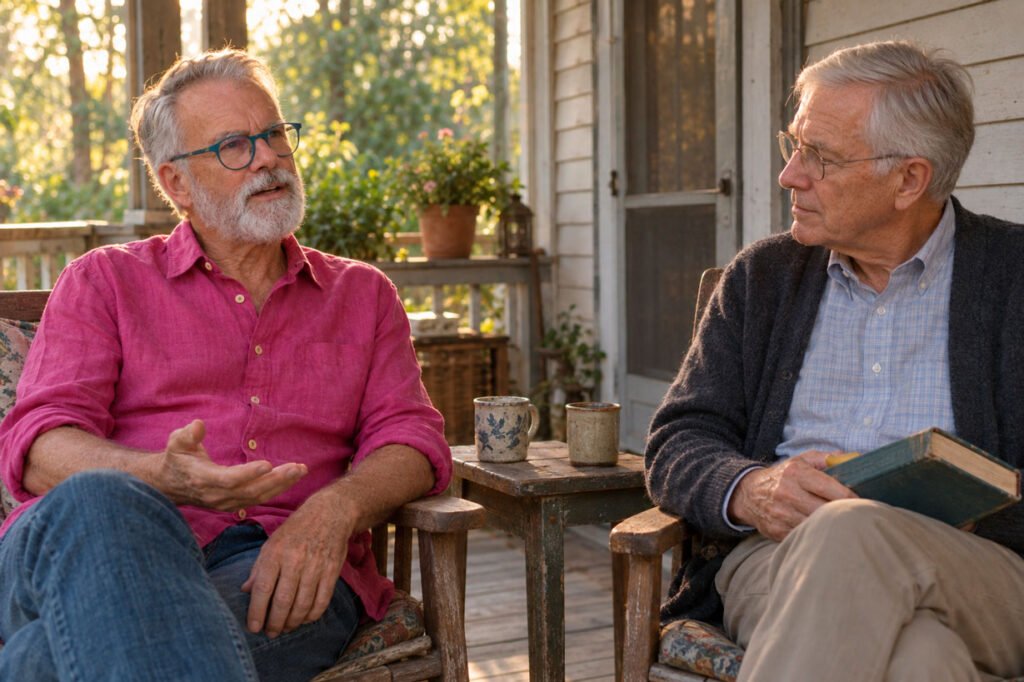
This week I turned the lens away from myself and toward someone you might know — the friend who used to run the room and now sits near the edge of it, the father who waits, a little too patiently, to be asked something real. I don’t have a tidy action item. Just a question worth sitting with, and a quieter observation about why writing this one came easier than last week’s.
[079] Doubt as My Climbing Companion
Max J Miller
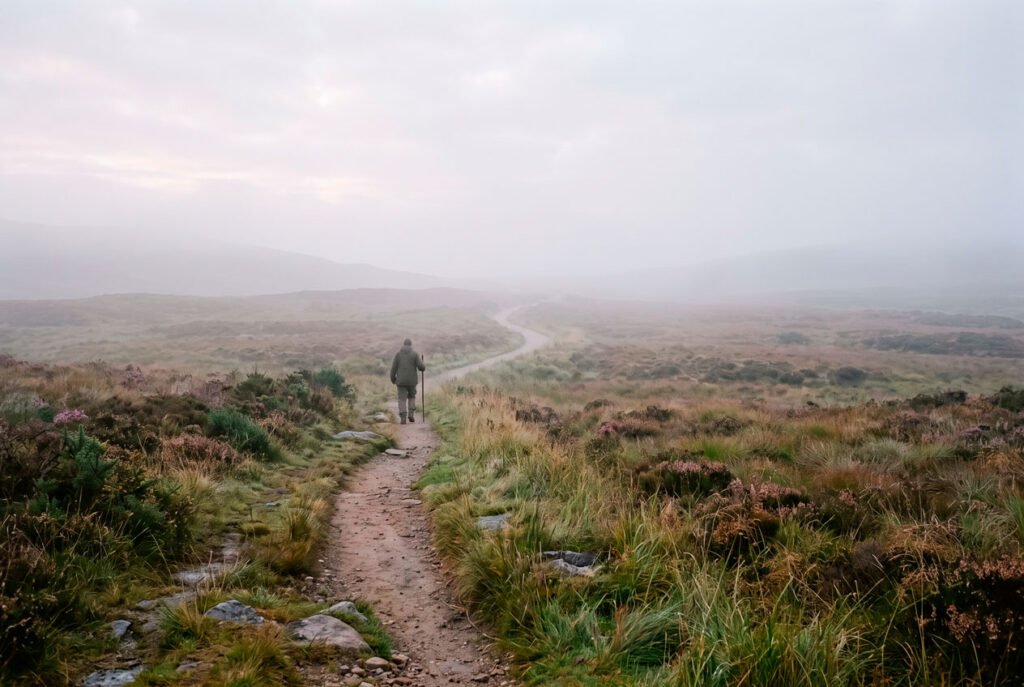
Two weeks after I publicly declared my role in the eldership movement, the doubts arrived: about the project, about myself, and about whether my age and health would let me finish what I started. This week I share how a Churchill book, a Disney memo, and a sketch pad helped me see doubt differently, and why I now treat it as a compass needle rather than a verdict.
[078] The Difference Between a Conviction and a Command
Max J Miller
I’ve spent the past several weeks reexamining my own role — not the programs, not the format, but what I’m actually for underneath all of it. What follows are the field notes from that investigation: eight propositions about aging, wisdom, ethics, and transmission that I’ve found sturdy enough to build on. Not conclusions. Not a finished philosophy. Just where the search stands right now — and an invitation to wrestle with it alongside me.
[077] Field notes on what a life is for
Max J Miller
I’ve spent the past several weeks reexamining my own role — not the programs, not the format, but what I’m actually for underneath all of it. What follows are the field notes from that investigation: eight propositions about aging, wisdom, ethics, and transmission that I’ve found sturdy enough to build on. Not conclusions. Not a finished philosophy. Just where the search stands right now — and an invitation to wrestle with it alongside me.
[076] Is “soul” too much? (You tell me.)
Max J Miller
When I shared the title of my new podcast — UnRetire Your Soul: Conversations with Men about Meaning after Success — the feedback split fast. Some loved it. Others questioned nearly every word. This week I walk through why “meaning” is the front door (not the whole house), why “soul” does more work than it first appears to, and the one listener question that’s still keeping me honest about what kind of show this needs to be.
[075] The Question That Wouldn’t Stay Answered
Max J Miller
Ten weeks into an open inquiry on the nature of wisdom, a retrospective look back at where this all started — and an announcement of where it’s going next.
[074] Authentic Speaking Arises from Authentic Listening
Max J Miller
A talking stick, a Lakota tradition, and one mortifying moment in an acting class fifty years ago taught a lesson that took decades of ghostwriting to fully understand: real presence isn’t about what you say, it’s about what you’re actually listening to. This week’s Wisdom Wayfinder — closing out the Presence & Calling series — traces the line from a college acting teacher’s gentle confrontation to a client’s prison memoir, and lands on the elder’s real work: not holding the stick longest, but making sure whoever holds it next knows they were truly heard.
[073] Only God Can Count the Apples in One Seed
Max J Miller
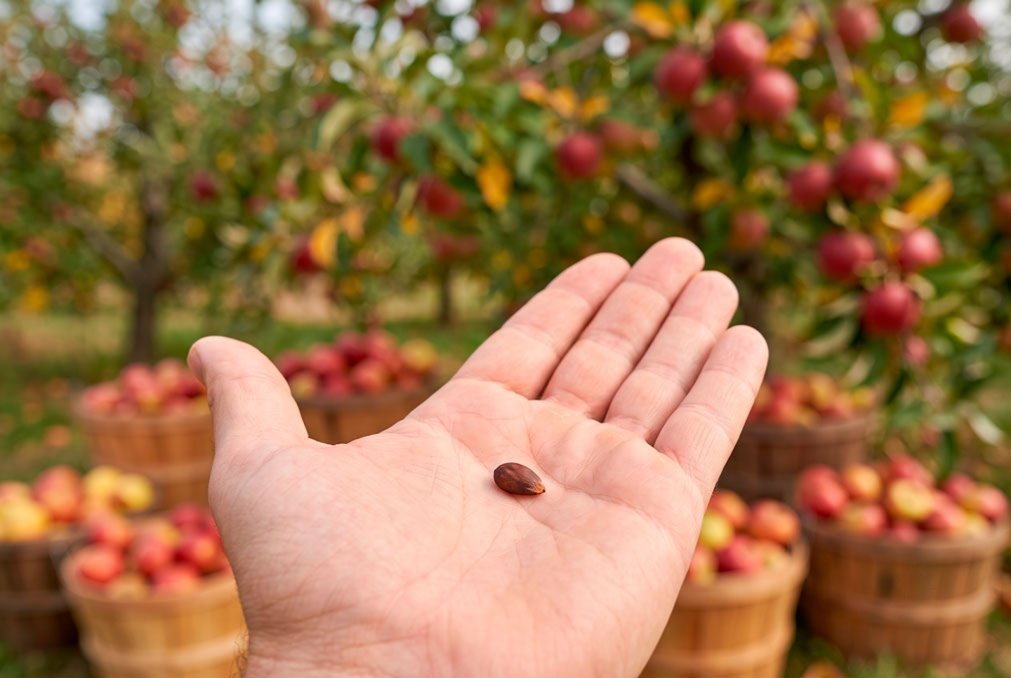
On a Friday call with his longtime creative sparring partner, a spontaneous answer to a simple question — what’s your calling? — surprises even the person who said it. This week’s Wisdom Wayfinder traces that sentence back to a manifesto written a year earlier, sits honestly with what three years of pursuing an unproven vision has actually cost, and lands on a Robert Schuller line about seeds and apples that reframes what “return on investment” even means for work like this.
[072] Poetry Before Dishes
Max J Miller
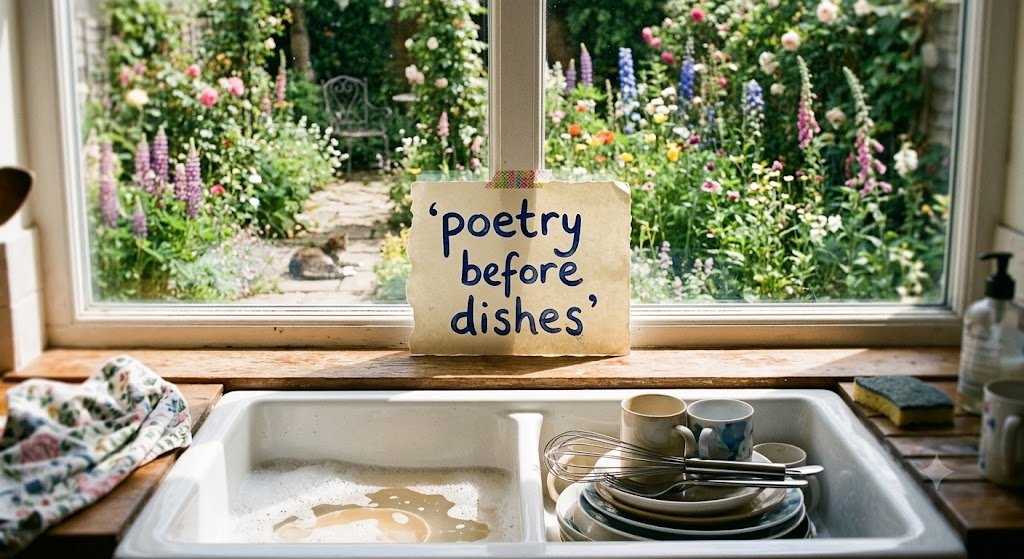
A hand-lettered sign above Kim’s kitchen sink in North Carolina — poetry before dishes — becomes the opening for a harder question: why doesn’t retirement retire the compulsive habit of doing? Drawing on Heidegger’s idea that being is an act of courage, not an escape from one, this week’s Wisdom Wayfinder makes the case that real connection with another person only happens from the space of being — never from inside the doing-mind.
About Author
MAX J MILLER
From 9-year-old ventriloquist to Walt Disney Imagineer to ghostwriter, Max J. Miller’s career has been a journey of hiding in plain sight. Today he’s helping retirees do the opposite—embracing their wisdom, telling their stories, and living with renewed purpose.
Through The Wisdom Wayfinder, Max calls elders to become cultural heroes and leave a legacy of meaning that extends far beyond money or bucket lists.